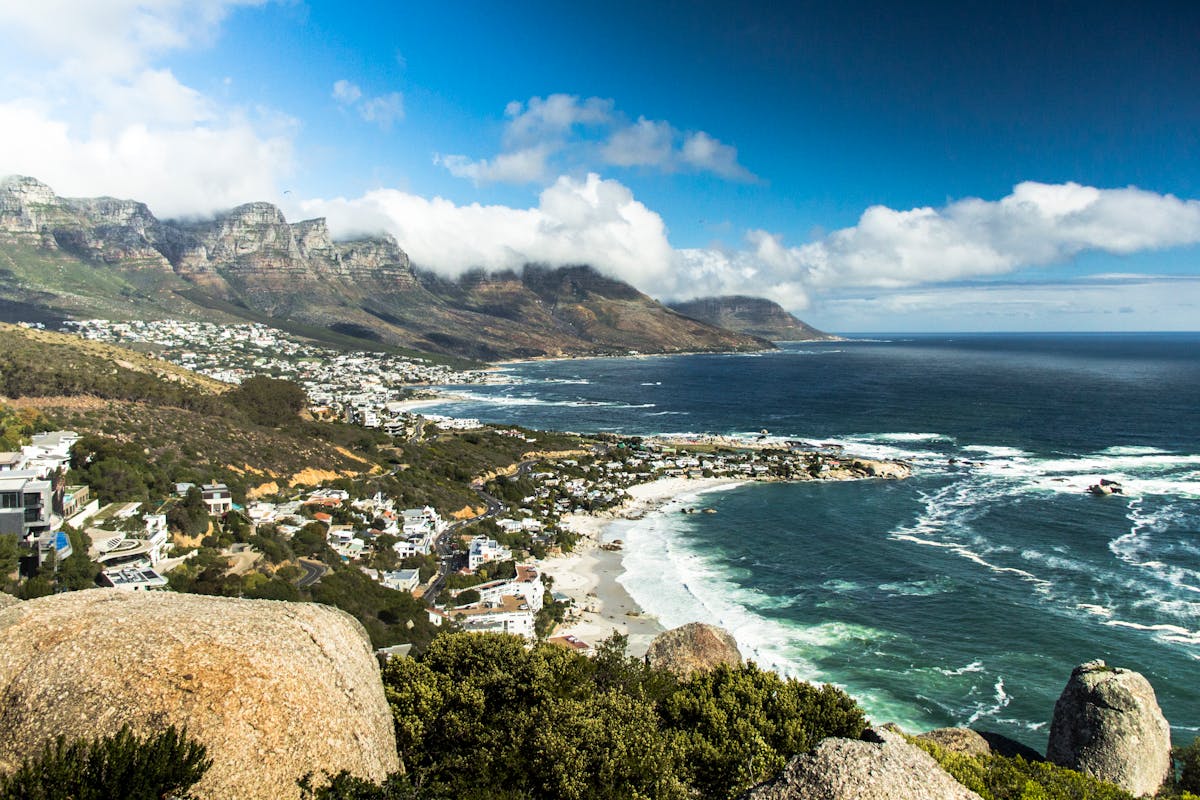

Affectionately named the “Mother City”, Cape Town is one of the best cities in the world for digital nomads. Its reliable infrastructure, internet connectivity, and world-class amenities make it a standout remote work hub for anyone looking to improve their work-life balance.
Beyond work, Cape Town is also highly sought after by digital nomads worldwide for its stunning beaches, adventurous outdoor activities, lively social scene, and thriving creative culture. That said, choosing where to stay in Cape Town is not straightforward. The city boasts many neighborhoods, each with its own unique vibe, amenities, and cost of living, and your choice can directly shape your daily routine, productivity, and overall experience in the Mother City.
That’s where this comprehensive guide comes in. We break down the most nomad-friendly neighborhoods in Cape Town, covering coworking spaces, safety, WiFi, and overall lifestyle so you can confidently choose the right base for your stay.

What Makes a Neighborhood Nomad-Friendly in Cape Town?
There are a few non-negotiable qualities that make a neighborhood nomad-friendly, and Cape Town’s suburbs tick all the boxes. Beyond the natural beauty and cultural diversity, the best neighborhoods in Cape Town are well-built, walkable, social, and reasonably priced for expats.
Let’s break it down in more detail:
- Reliable WiFi and power backup: Widely available fiber internet and cafés with fast WiFi and loadshedding backup power are easily accessible throughout.
- Coworking and café culture: Laptop-friendly cafés and coworking spaces for digital nomads are rapidly sprouting across the city, offering reliable work environments.
- Safety: Walkability during the day and secure apartment buildings, hotels, and hostels provide locals and expats with a sense of safety in their residential neighborhoods.
- Walkability and convenience: Great city planning means grocery stores, gyms, banks, pharmacies, and natural attractions are just a stone’s throw away from residential areas.
- Transport access: e-Hailing services such as Uber are reliable and a go-to for many residents, while MyCiTi bus routes connect many neighborhoods across the city.
- Community and social life: Beyond the cafés and coworking spots, Cape Town hosts numerous social events and gatherings where people can meet and get acquainted.
Best Cape Town Neighborhoods for Digital Nomads
The best places to stay in Cape Town offer nomads a good balance between work and their favorite pastime activities. Whether it’s neighborhoods on the Atlantic Seaboard, such as Green Point, Sea Point, and Camps Bay, or areas in the city center, there’s something for everyone.
1. Green Point – Best Area for Digital Nomads in Cape Town
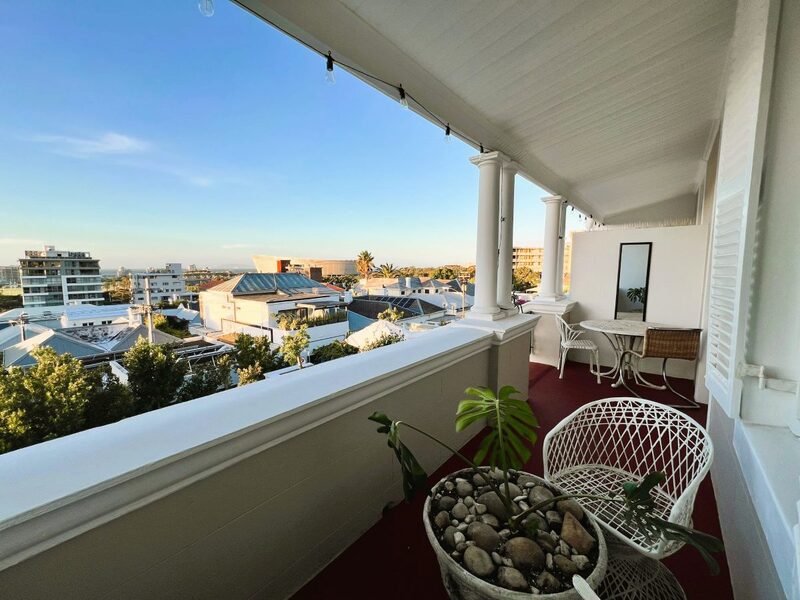
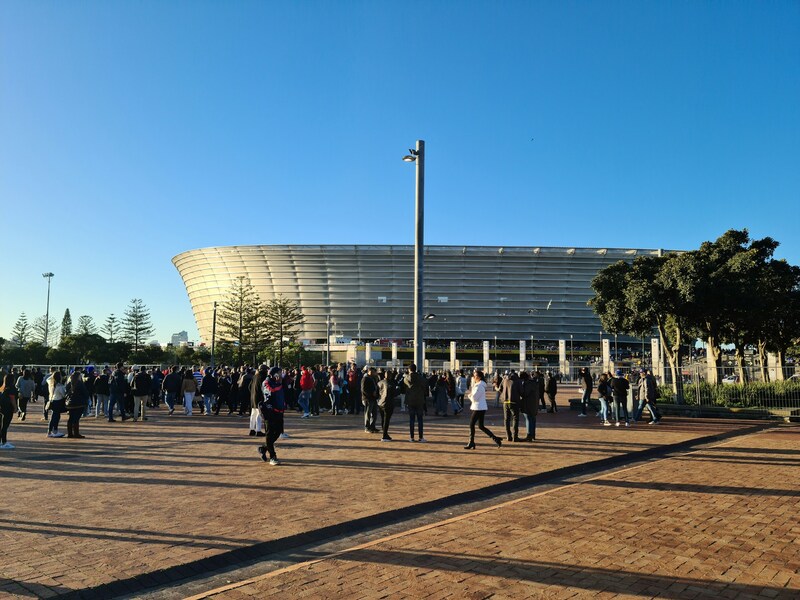
Characterized by the lush Green Point Park, Cape Town Stadium, and Signal Hill behind it, this area is central, safe, and very walkable. Green Point is a frontrunner as the best place to stay in Cape Town for nomads due to its coworking spaces, cafés, and proximity to the promenade.
For many beginner and seasoned digital nomads, Cape Coliving is the top choice. This 9-bedroom Victorian villa combines stable WiFi, dedicated workspaces, and a community of like-minded remote workers, offering a social vibe found nowhere else throughout the city.
Gyms, coffee shops, great restaurants, and an expansive park are all within walking distance. It’s an ideal spot if you want to arrive, settle in quickly, and start working without missing a beat.
The main road in Green Point is along a MyCiTi route, and Uber is readily available, both offering easy access to the V&A Waterfront. In addition to its many things to do, the suburb is reasonably priced compared to its Atlantic Seaboard counterparts, such as Sea Point and Camps Bay, balancing comfort, convenience, and cost. We don’t think there’s a better choice!
2. Sea Point
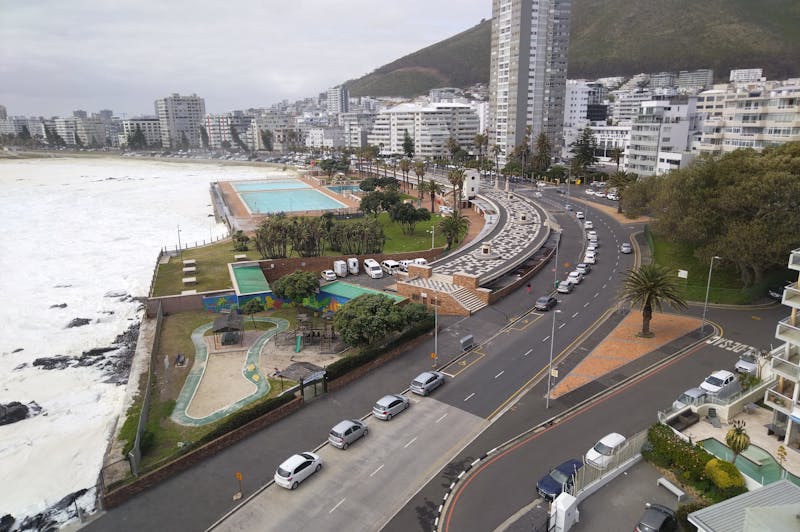
Flanked by Signal Hill and Lion’s Head on one side, and the Atlantic on the other, Sea Point is among Cape Town’s more affluent neighborhoods. Its promenade draws daily runners and walkers, the pavilion offers public pools, and its streets are lined with cafés and remote work spots.
Gyms, supermarkets, and wellness studios are not hard to come by, while the numerous beaches make for an excellent escape after a long day of work, especially for young professionals. Digital nomads who value routine find the Sea Point Promenade appealing as it’s highly walkable and generally safe.
Sea Point is one of the more upscale neighborhoods along the Atlantic Seaboard. Its rentals and best restaurants tend to be more expensive than in nearby Green Point, so it suits nomads who don’t mind paying more for its lifestyle and amenities.
3. City Bowl (Gardens, Tamboerskloof & Oranjezicht)
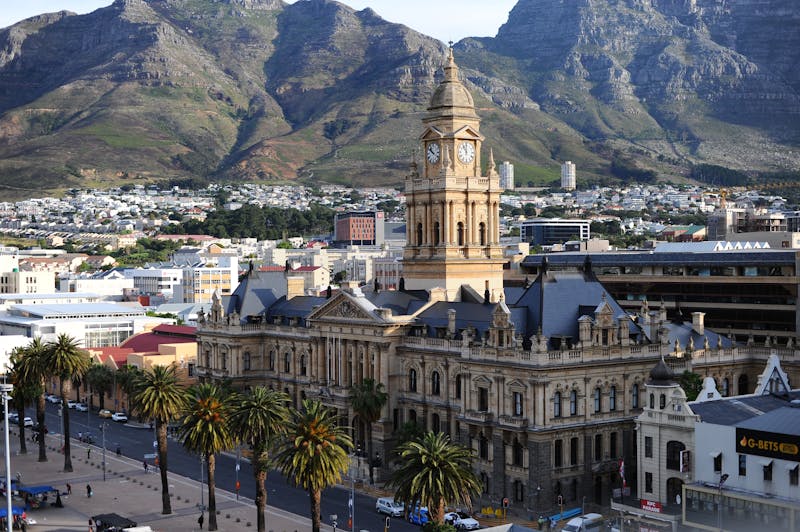
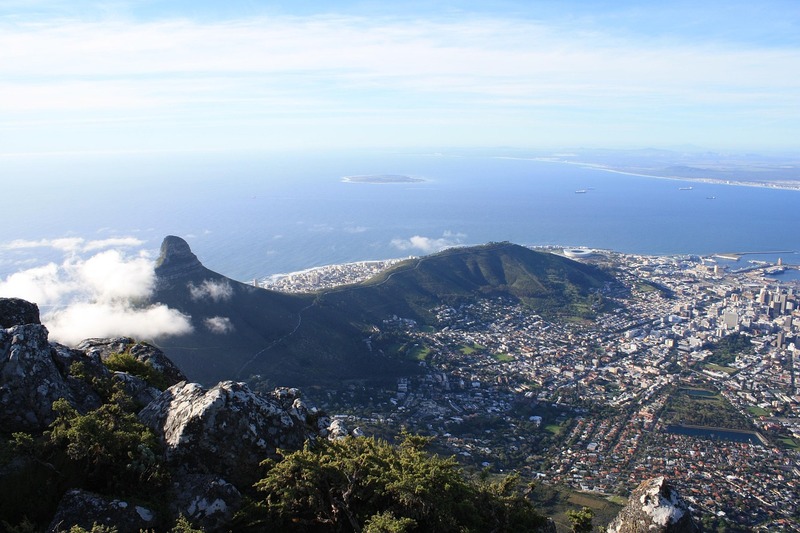
Nestled between Table Bay and the surrounding hills of Table Mountain, Lion’s Head, Devil’s Peak, and Signal Hill, the City Bowl is Cape Town’s amphitheater-shaped city center. It’s the heart of the city, containing the Central Business District (CBD) and smaller neighborhoods.
The City Bowl offers remote workers a duality that many digital nomad cities lack. You’ll have access to a bustling center with coworking spaces, cafés, restaurants, and a lively nightlife, as well as leafy, quieter residential suburbs such as Gardens, Tamboerskloof, and Oranjezicht.
Each residential area in Central Cape Town has its own flair. Gardens is famous for its Kloof Street restaurants, which give the neighborhood a lively, social feel. Tamboerskloof is quieter, but the scenery makes up for it. Oranjezicht is more upscale and perfect for slow living.
If you’re looking for a central, walkable location, the City Bowl is the best area to stay in Cape Town.
4. Woodstock
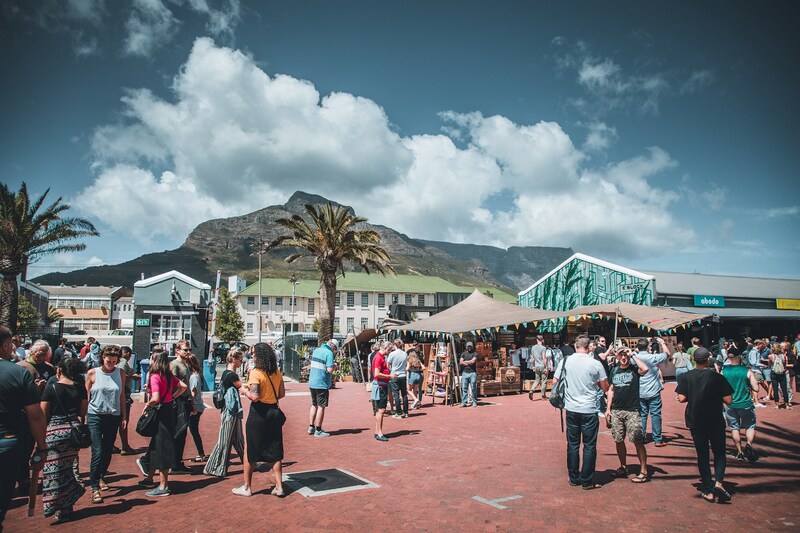
Tucked between the docks of Table Bay and Devil’s Peak, Woodstock is a fast-evolving creative hub with a gritty, character-filled edge. Dotted with hipster cafés, art galleries, markets, and old factories covered by murals, Woodstock’s art and startup culture appeals to many remote workers.
The suburb has a growing remote work scene, with industrial coworking spaces and coffee shops offering reliable internet scattered throughout. Woodstock is the right neighborhood for digital nomads looking for a creative enclave with easy access to city life and scenic spots.
Woodstock is a more cost-effective residential option compared to neighborhoods on the Atlantic Seaboard and the city center, making it popular with budget-conscious nomads.
With that said, a high level of safety awareness is encouraged here, as safety varies from street to street. Upper Woodstock tends to be less risky than Lower Woodstock.
5. Observatory
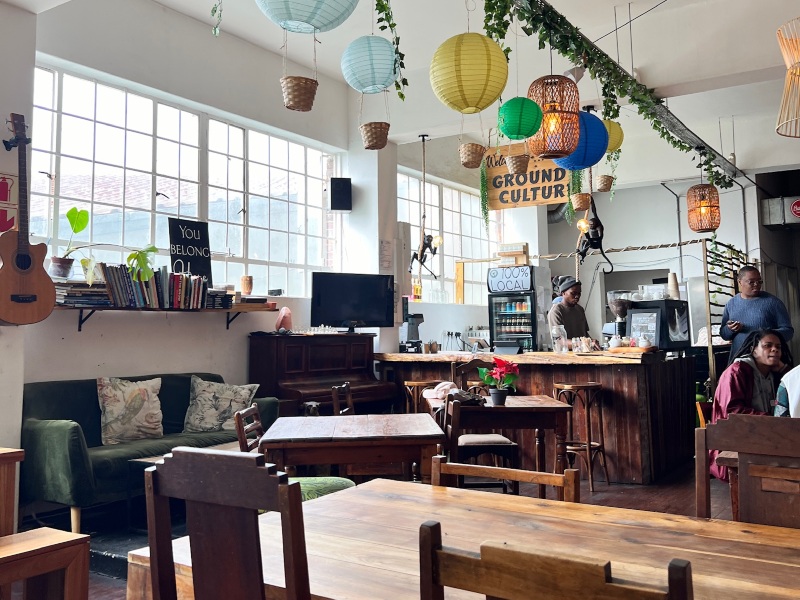
Nicknamed “Obs”, this eclectic, bohemian suburb has a youthful vibe, driven by the high concentration of students. Observatory is a practical, creative hub blending thrift stores, vintage boutiques, and vibrant rooftop bars with rustic Victorian homes and modern apartment buildings.
The neighborhood has a basic, but improving, coworking setting. It’s home to many great cafés that offer free WiFi and get loads of natural light, making them ideal spots for working remotely. Observatory is affordable, with a mix of residential homes and backpacker accommodation.
Unlike the city center, where some bars open at 9 p.m., Obs has a “casual” nightlife with karaoke and comedy nights. Its laid-back vibe is ideal for digital nomads looking for great restaurants and food after work, not a rave. It’s a fairly safe area, but caution is advised, especially at night.
6. Camps Bay
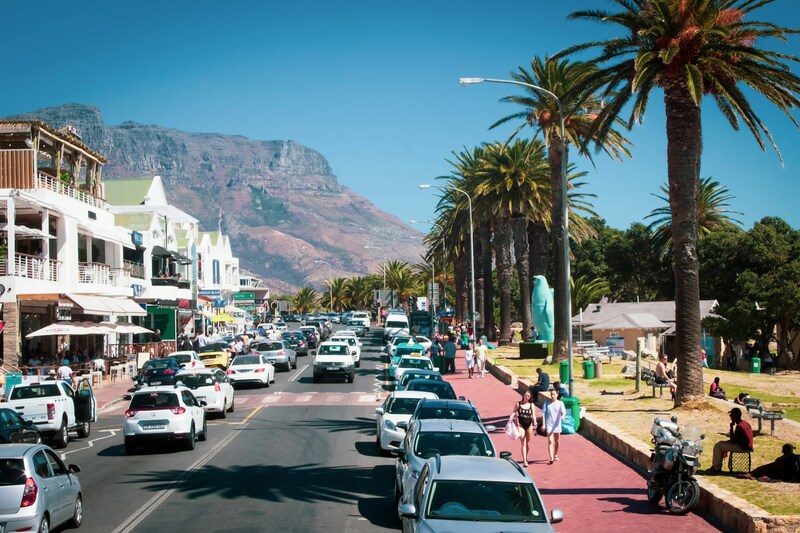
Camps Bay is the jewel of the Atlantic Seaboard, characterized by the towering Twelve Apostles behind it and the sea in front of it. This suburb is a playground for the affluent, boasting luxury oceanfront property, stunning white sandy beaches, and a trendy, palm-lined promenade.
While most properties offer stable internet, dedicated coworking spaces are limited compared to nearby Green Point and Sea Point. That said, Camps Bay offers plenty of cafés and coffee shops with WiFi, so you can work and enjoy great food.
The main draw to Camps Bay is its relaxed, oceanfront lifestyle. Its beachfront strip boasts vibrant bars and high-end restaurants, and it sits just minutes from the idyllic Clifton’s beaches. It’s best suited to nomads who prioritize scenery and lifestyle over day-to-day convenience.
Camps Bay is generally safe and well-maintained, but you’ll need a car or e-hailing rides to get to central locations like the City Bowl and scenic spots like Lion’s Head and Table Mountain.
Best Neighborhoods to Stay in Cape Town: Honorable Mentions
Let’s dive into other excellent digital nomad locations in Cape Town, suitable for remote work.
7. De Waterkant
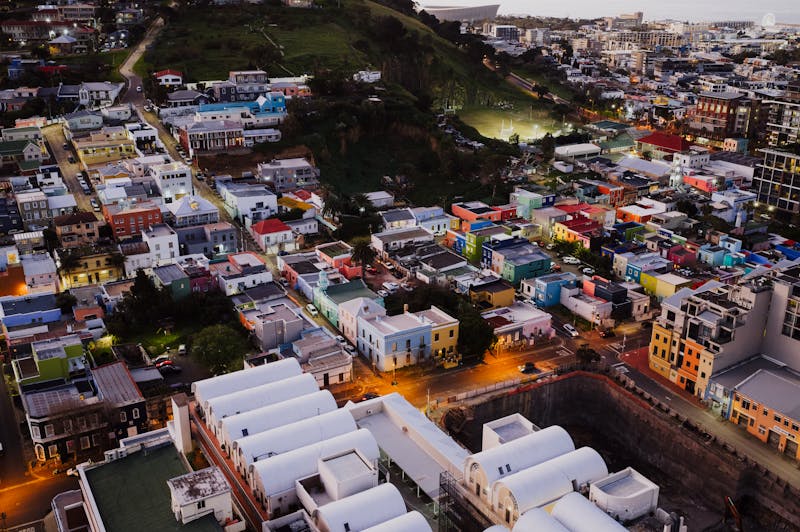
Nestled between the CBD, Bo-Kaap, and Green Point, this picturesque suburb offers walkable cobblestone streets with cafés and colorful homes, giving it a “village” feel. De Waterkant is compact and centrally located, making it easy to combine remote work with social networking.
You’ll find many coworking spots, including dedicated workspaces at the Cape Quarter and Origin Coffee Roasting, which offers amazing coffee and good internet. Many apartments and cafés have backup power solutions, allowing you to attend meetings and video calls undisturbed.
Its closeness to the city center and hotspots like the V&A Waterfront is a big win for anyone staying here, but De Waterkant is quite touristy, making it more suitable for short-term stays.
The area is fairly secure, but safety varies by street, so it’s best to stay alert at all times.
8. Hout Bay
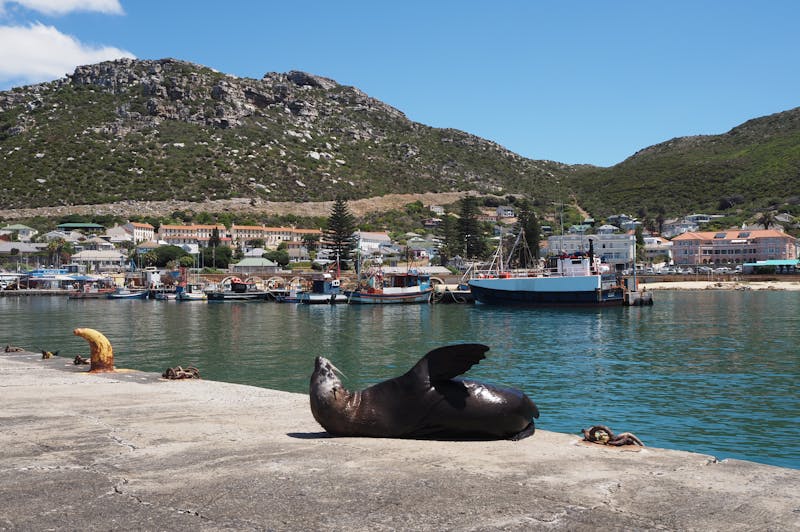
Set in a scenic valley along the Cape Peninsula, Hout Bay offers a calmer, nature-focused experience that enables a good work-life balance. The neighborhood offers many rentals and coliving spaces with fast internet, nearby beaches, and cafés serving great coffee and views.
Between kayaking on the calm waters, spotting seals in the bay, strolling through the market, and hiking nearby trails, you’ll enjoy a slower version of Cape Town. Hout Bay is about 27 miles from the city center, so you’ll need to drive, catch a bus, or order an e-hailing ride to the CBD.
Hout Bay is generally safe, but its distance from the center gives it a more suburban, less urban feel, perfect for longer stays. As with any area outside the main tourist hubs, it’s best to stay aware of your surroundings and take common-sense precautions.
9. Constantia
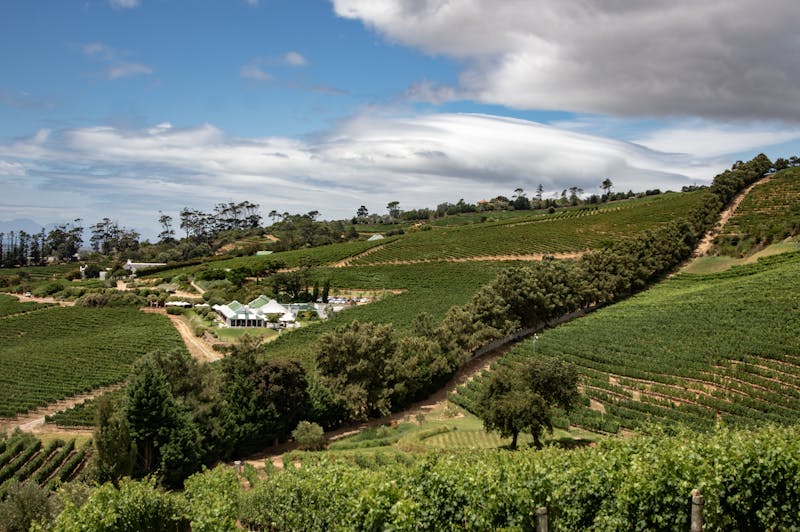
Situated in the lush Constantia Valley, about 12.5 miles south of the CBD, this leafy, upscale neighborhood is known for its wine farms and whitewashed houses. There are many great cafés offering scenic outdoor seating, tasty coffee, wine, and backup power.
Constantia is a very residential area, making it ideal for seasoned digital nomads with families. The spacious homes, shopping centers, and access to scenic hiking trails and gardens give Constantia a quieter, more relaxed appeal. It’s also safer than most suburbs in the Mother City.
This part of Cape Town has a distinctive vibe; its vineyards and wine farms offer a glimpse into the Western Cape’s rich winemaking industry, predominantly found in the Cape Winelands. While it doesn’t compare in scale, Constantia’s greenery and tranquility spark the imagination.
10. Muizenberg
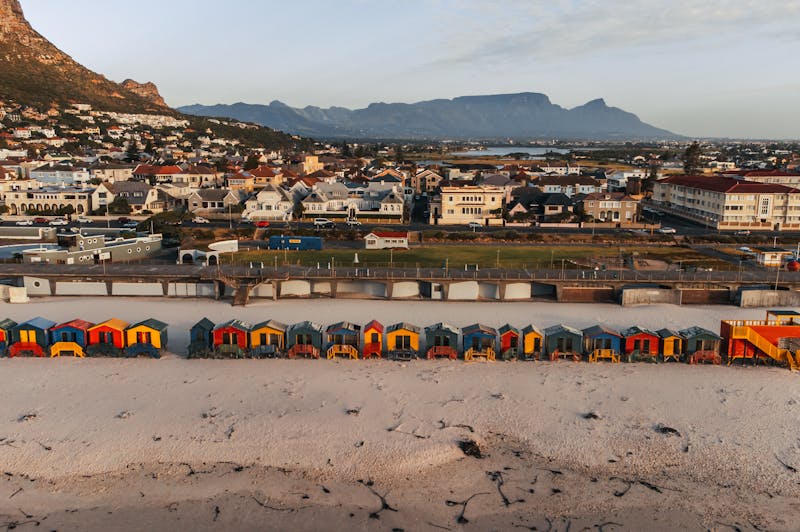
Famous for its colorful beach huts, Muizenberg is a surf hub located along the shores of False Bay. The suburb offers work-friendly beachfront cafés with exceptional views. You’ll find Airbnbs, coliving spaces, and coworking spots with stable internet, making it ideal for focused work before a beach break.
Surf culture is strong, attracting many digital nomads who enjoy being out on the water. However, Muizenberg also has a cultural appeal, boasting the “Historical Mile” and one of South Africa’s oldest homes, Het Posthuys, making it a good place for nomads who love some history.
Muzineberg is comparatively cheaper than neighborhoods in and around the city center, but oceanfront properties tend to be pricier. The suburb is relatively affordable to stay in, but safety varies by area, so it’s recommended to take precautions and be aware of your surroundings.
11. Claremont
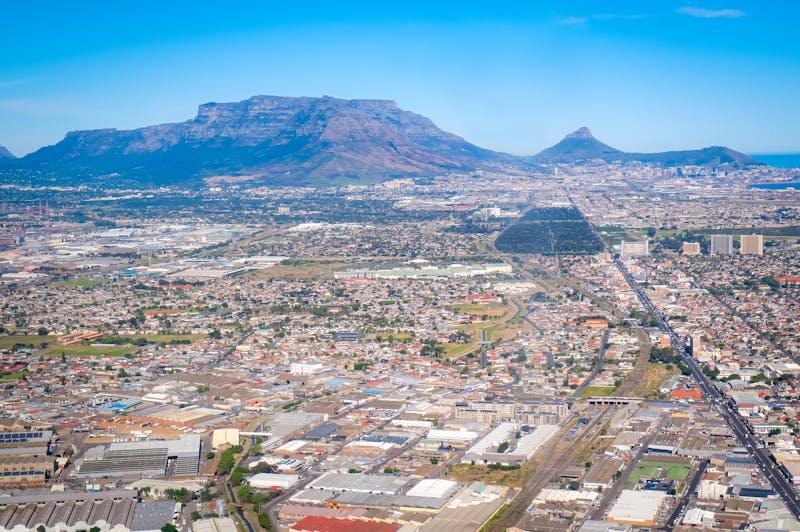
Leafy, residential, and about a 20-minute drive from the CBD, Claremont is located in Cape Town’s “Southern Suburbs”. Coworking spots like Ideas Cartel can be found here, but there are micro-apartments and garden suites offering fast fiber internet that facilitate uninterrupted work.
Claremont appeals to students due to its closeness to the University of Cape Town, as well as remote workers who value a quieter base, with long-term accommodation that is pretty cheap by Cape Town standards. You can eat, drink, and shop at lifestyle centers like Cavendish Square.
The Southern Suburbs are often cited as the safer parts of Cape Town, with active security personnel constantly patrolling. While it may not be scenic, the neighborhood makes up for it in security and premium amenities, making it a good base for digital nomads with young children.
12. Bloubergstrand

Located along the shores of Table Bay, Bloubergstrand is known for its iconic, full-view of Table Mountain and Lion’s Head. This coastal neighborhood is a top-tier kitesurfing destination, ideal for digital nomads who appreciate the thrill and adventure of the cold waters of the Atlantic.
Reliable, high-speed fiber internet and power backup, such as UPS, are common in coliving properties and Airbnbs. Coworking spaces and cafés like Bootlegger Coffee Company are also equipped with WiFi, allowing you to work, eat, and enjoy delicious meals all in a day’s work.
The cost of living here is comfortably less than in European cities that offer the same quality of life. It’s widely regarded as safe, family-friendly, and more residential than commercial.
13. Kalk Bay
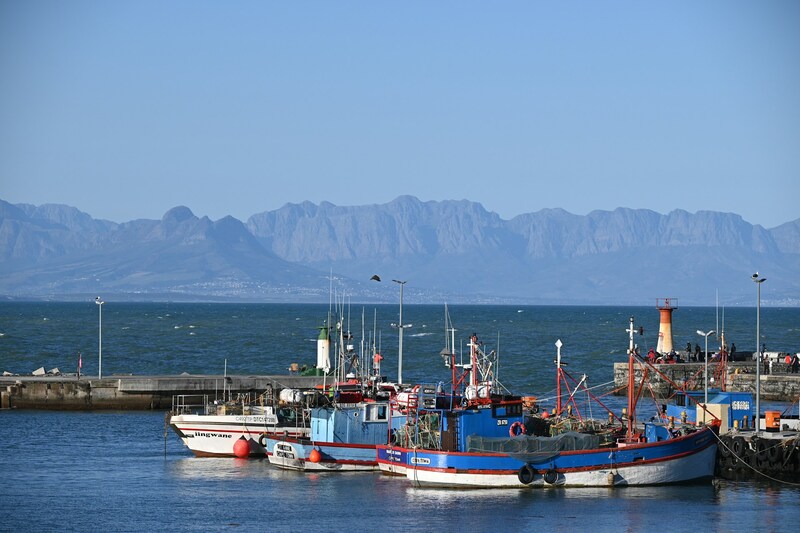
Nestled along the coast of False Bay, this historic fishing village is slow-paced, making it ideal for remote workers seeking a quiet, scenic, and bohemian coastal lifestyle. Its main road is extremely walkable, dotted with a mix of antique shops, bookstores, restaurants, and cafés.
Amidst the colorful houses and art galleries, you’ll find lovely rentals and coffee shops with a reliable internet connection, suitable for prolonged work. Start your day with a boost of caffeine at a local café, followed by some focused work, before taking a dip in the tidal pool.
Accommodation in Kalk Bay rivals many other neighborhoods along the Cape Peninsula, so it’s a bit more expensive than in central areas like the CBD. The coastal suburb is quite safe, but precaution is advised, especially when hiking nearby trails or walking around alone at night.
Practical Tips for Picking a Cape Town Neighborhood
Here are some practical tips for living and working in Cape Town as a digital nomad.
- Get a local SIM: Pick one up as soon as you arrive to stay connected at all times. It’s a reliable backup during load shedding and makes navigating, ordering rides, and working remotely much easier. Get an eSIM to avoid airport queues or getting a new number.
- Plan around Cape Town summer: If you’re arriving in peak season (from November to March), book your accommodation early. Popular neighborhoods located along the Atlantic Ocean fill up quickly, and prices rise significantly during this period.
- Understand the Digital Nomad Visa: Consider applying for the South Africa Digital Nomad Visa if you’re planning a longer stay. It allows you to live and work remotely in Cape Town without frequent visa runs.
- Choose a neighborhood with an international community: Staying in areas popular with expats and nomads makes it easier to meet people, collaborate, and build a social circle, especially if you’re traveling solo.
- Bring the right adapters: Make sure you have Type M, C, and N plug adapters to connect to Cape Town’s power outlets.
- Prioritize coworking flexibility: Choose coworking spaces with multiple locations. This allows you to explore different neighborhoods while maintaining a consistent workflow.
- Stay close to the Atlantic Ocean: If lifestyle matters to you, consider neighborhoods near the ocean. Easy access to the promenade or beach can significantly improve your daily routine and work-life balance.
- Choose a neighborhood with good transport links: Central areas like Green Point, Sea Point, and the City Bowl offer reliable Uber availability and access to the MyCiTi network, making it easier to move around without renting a car.
- Prioritize safety and secure accommodation: Look for neighborhoods with good walkability, active streets, and secure apartment buildings. Areas popular with locals, expats, and remote workers generally offer a safer and more convenient experience.
- Match your neighborhood to your budget: Atlantic Seaboard areas like Camps Bay and Sea Point are more expensive, while Woodstock, Observatory, and Muizenberg offer more affordable long-term options for digital nomads.
- Consider a coliving setup in Green Point: If you want a smooth landing, look into Cape Coliving in Green Point. It offers a built-in community, work-friendly environment, and central location. This makes it easier for you to settle in and stay productive.
FAQs About Living in Cape Town as a Digital Nomad
Now that you’re informed about where to stay as a remote worker in the beautiful city of Cape Town, here are some answers to the most commonly asked questions we get from digital nomads.
Where Do Digital Nomads Live in Cape Town?
Most nomads stay in Green Point, Sea Point, and City Bowl neighborhoods like Gardens and Tamboerskloof for their central location, safety, strong WiFi, and easy access to cafés and coworking spaces. Budget-conscious nomads prefer areas like Woodstock and Observatory.
Is Cape Town Safe for Digital Nomads?
Yes, if you choose the right area and stay aware of your surroundings. Stick to well-lit areas and neighborhoods, use Uber at night, and avoid walking alone in unfamiliar places after dark.
What Is the Safest Area in Cape Town to Live in?
The safest neighborhoods in Cape Town are concentrated on the Atlantic Seaboard (Green Point, Sea Point, Camps Bay) and in the Southern Suburbs (Constantia, Claremont). These areas are well-maintained, with frequent security patrols and active neighborhood watches.
Where Should You Avoid Staying in Cape Town?
Avoid staying far from the city center without local knowledge. Isolated or poorly connected areas can be less safe and inconvenient for remote work, transport, and daily essentials.
What Are the Dos and Don’ts of Living in Cape Town?
Cape Town is a sought-after destination for remote workers, and it’s easy to see why. But, like other top digital nomad cities around the world, safety and security are non-negotiable. Here are some dos and don’ts to keep in mind when living and working remotely in the Mother City:
Do:
- Stay in central, secure areas with access to cafés, coworking spaces, and transport.
- Use Uber or trusted ride services, especially at night or when traveling longer distances.
- Stay aware of your surroundings and follow local advice on safety and movement.
Don’t:
- Walk alone at night in quiet or unfamiliar areas, even in generally safe neighborhoods.
- Display valuables like laptops, phones, or cameras in public spaces.
- Assume all areas are equally safe. Do your research before booking accommodation.

Where to Stay in Cape Town: Best Neighborhoods for Nomads
For digital nomads, Cape Town means balancing daily work routines with award-winning restaurants along Bree Street, sunny days on the Clifton Beaches, and day trips to wine farms. This perfect blend of work, life, and play makes it one of the best cities for digital nomads, suiting different working styles and lifestyles.
Many nomads choose bases in secure, walkable areas with stable internet, access to transport hubs, and plenty of restaurants and cafes that support a healthy work-life balance. For most digital nomads, Green Point is the top choice as it offers the most complete experience. You get a central location, strong WiFi, walkability, and easy access to both the city and the ocean.
For the most seamless start to your time in Cape Town, Cape Coliving offers a ready-made setup with everything in place, from comfortable living to productive workspaces and a thriving social community. Check availability and book your stay here.
Next Read: South Africa for Digital Nomads: Best Cities, Costs & More